
WH 1’s Unfinished Reckoning
Der goldene HandschuhThis thread follows WH 1’s decades-long cultivation of resentment and his failure to accept a public attempt at reconciliation late in life.
increasing Bearing strength in each event
 decreasing
Bearing strength in each eventdecreasingPower Lost After the War
Power Lost After the War
Opportunism and confiscation
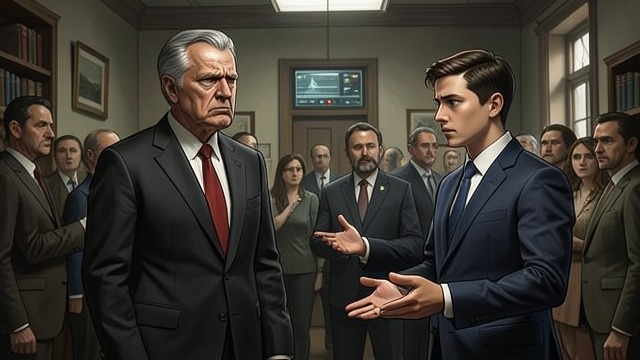
WH 1 joins the Nazi Party in the 1920s and benefits from the dispossession of the Arronge family, whose property and shipping interests pass into his hands. The novel depicts his claims of political foresight as a self-serving account of opportunism.
After the war, the fate of the Arronges becomes known and WH 1 loses standing among Hamburg’s merchant elite. Allied seizures further diminish his fleet, while his conduct during the Nazi era makes him a figure others exclude from respectable company.
A forced retreat
Under growing pressure, WH 1 hands management of the family firm to WH 2. He experiences the change not as a consequence of his own actions but as an undeserved humiliation, comparing his treatment with that of other merchant dynasties.
That refusal to examine his responsibility becomes the starting point for a grievance that outlasts the immediate loss of power. Rather than adapting to a changed world, he begins to wait for a chance to strike back.
The Ledger of Resentment
The Ledger of Resentment
A performance of decline
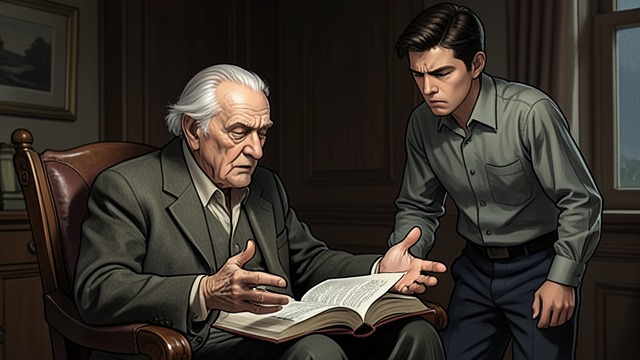
WH 1 presents himself as silent, elderly, and perhaps senile, encouraging his family to think that he is nearing the end of his life. Beneath this appearance, he remains intensely preoccupied with the authority he has lost.
He records slights, exclusions, and perceived insults in a dedicated book, assigning each a score and imagining a corresponding punishment. The ledger turns ordinary interactions into evidence in a private prosecution that never reaches a verdict.
Revenge deferred
WH 1 tells himself that the right moment for revenge is close. The delay gives his anger a purpose, but it also prevents him from forming a life beyond the grievances he keeps alive.
His family interprets his withdrawal as weakness or age. In reality, his strategy has become a trap: the longer he waits, the more completely resentment defines him.
The Family’s Faltering Fortune
The Family’s Faltering Fortune
A company in decline
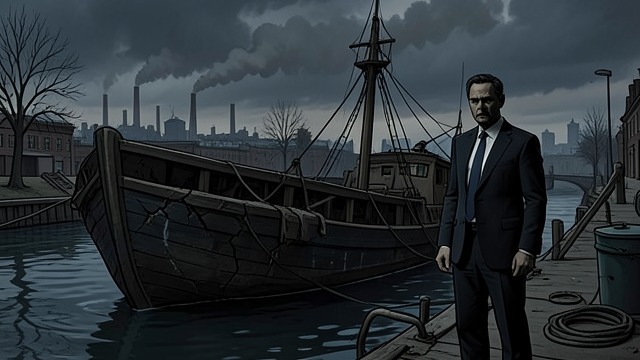
WH 2’s shipping business is weakened by missed changes in the industry, including the container revolution. A ship ordered during the tanker boom becomes a financial burden after oil prices and shipping conditions change, and several vessels remain stranded in the Suez Canal.
WH 1 watches the family’s losses through the lens of his own humiliation. The business crisis threatens the dynasty’s future, but his central concern remains the injuries he believes his family and the merchant community have inflicted on him.
A late effort at repair
Facing the company’s likely failure, WH 2 seeks to secure formal rehabilitation for his father. He persuades influential shipping figures, including Gerhard Leyendieker, to support a public gesture of reconciliation.
The effort is partly an act of filial care and partly a search for peace before the family’s remaining standing disappears. WH 1, however, is not told about the plan, leaving him no opportunity to shape or refuse it in advance.
Public Rehabilitation
Public Rehabilitation
The planned gesture
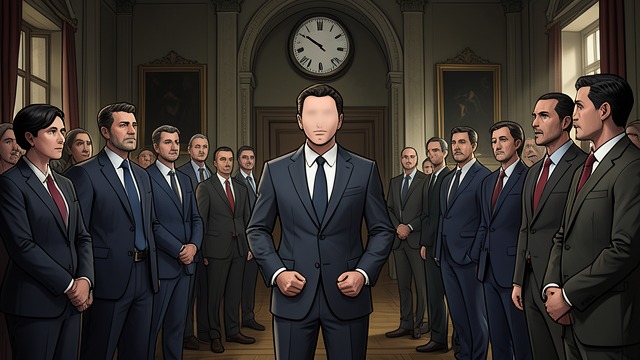
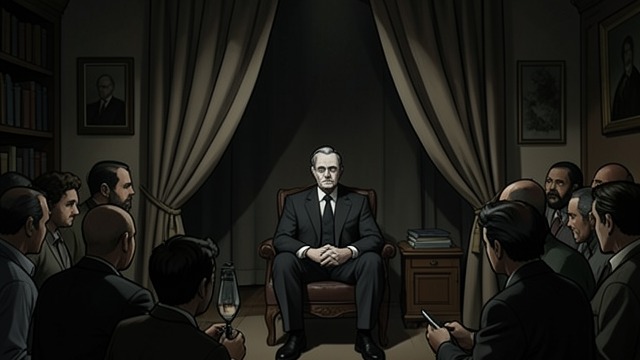
At the family estate, shipping leaders and civic figures gather for WH 1’s birthday. At noon, Gerhard Leyendieker speaks of the elder man’s life and offers a public gesture that is meant to restore him to the community.
The speech turns a complicated history into a ceremonial account of forgiveness. WH 2 has arranged the moment as an unexpected gift, hoping that acknowledgment from old peers will provide his father with a measure of peace.
An opportunity to answer
WH 1 has spent years rehearsing a denunciation of the merchant elite, including accusations of disloyalty and corruption. The ceremony offers precisely the public stage he imagined for his long-delayed reckoning.
But the moment arrives after his strength has failed. He cannot deliver the speech or convert his accumulated anger into action, and Leyendieker moves on when no answer comes.
The Silence After the Speech
The Silence After the Speech
The failed confrontation
WH 1 experiences the reconciliation as an affront rather than an honor. He does not want the ceremony’s forgiveness because his identity has become inseparable from the case he intends to bring against those who once excluded him.
Yet the revenge he has rehearsed cannot emerge. The decline he had long performed has become real, and age and physical weakness leave him unable to speak when the decisive opening finally arrives.
A grievance without release
The family gathering continues, but WH 1 is left with no catharsis and no repaired relationship with the people around him. His silence is not reconciliation; it is the defeat of the revenge fantasy by the deterioration he could not control.
The novel closes his arc as a warning about resentment preserved until it becomes a person’s entire inner life. WH 1 has waited for a final moment that might restore his power, only to find that the moment cannot restore the self he has spent decades surrendering to hatred.
From the 1920s through the years after the Second World War
The twenty years after WH 1 loses control of the company
The early and mid-1970s, before WH 1’s eightieth birthday
At noon on WH 1’s eightieth birthday
The closing hours of WH 1’s eightieth-birthday celebration
